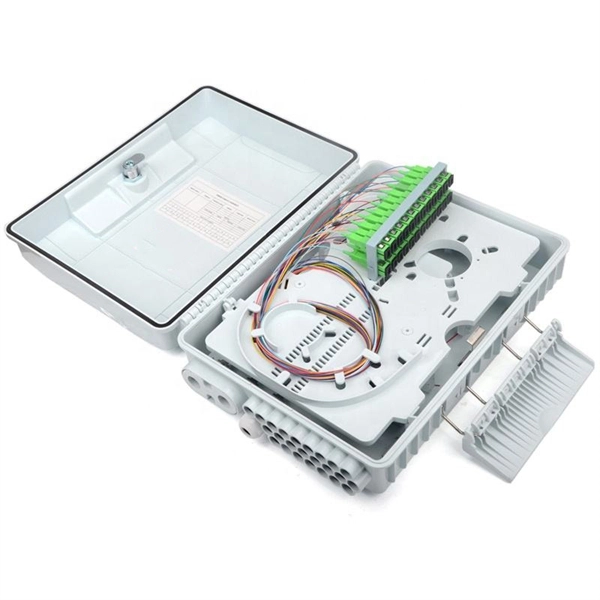
Distribution boxes must be configured with proper enclosure, wiring, protection devices, grounding, and compliance with safety standards to ensure reliable and safe electrical distribution.Enclosure and Placement
The distribution box should be selected based on environment, load capacity, and durability. Indoor boxes can be made of plastic, while outdoor or industrial boxes often use steel for enhanced strength and protection. Check the IP or NEMA rating to ensure adequate protection against dust and water ingress . Install the box in a dry, well-ventilated, and accessible location, typically 1.5 to 1.8 meters above the ground, avoiding humid or corrosive areas . Ensure the box is firmly fixed using appropriate brackets or screws to prevent movement or tilting.
Internal Components and Wiring
Inside the box, include circuit breakers, busbars, terminal blocks, and wires, with optional DIN rails for mounting additional devices . Wiring should use high-temperature resistant copper conductors with cross-sectional areas matching the load current. Maintain neat cable management, proper insulation, and clear labeling for each circuit . All cable inlets and cover joints should be sealed to prevent dust or moisture ingress.
Protection and Safety
Each circuit should have overcurrent protection via breakers or fuses, and consider surge protection devices for sensitive equipment . Ensure proper grounding and earthing, connecting the metal enclosure, electrical board, and appliance casings to a reliable earth system . Follow NEC, IEC, or local electrical codes to comply with safety standards, including arc flash hazard analysis and safe maintenance access .
Load and Voltage Considerations
Check the voltage and current ratings to ensure the box can handle the expected load without overheating. For industrial setups, calculate continuous and intermittent loads, and separate different voltage systems to avoid interference . Proper load distribution minimizes energy losses and reduces the risk of equipment failure.
Maintenance and Inspection
Schedule regular inspections and maintenance to ensure long-term reliability. Conduct monthly visual checks for overheating, corrosion, or loose connections, and annual tightening of all connections using proper torque specifications . Clean dust and debris annually, ensuring power is disconnected before cleaning. Test circuit breakers and protective devices to verify correct operation.
Labeling and Modularity
Clearly label all circuits, protective devices, and wiring to facilitate troubleshooting and maintenance . Consider modular designs to allow future upgrades or expansion without major reconfiguration. By following these configuration requirements, distribution boxes can provide safe, reliable, and efficient electrical distribution for residential, commercial, and industrial applications.