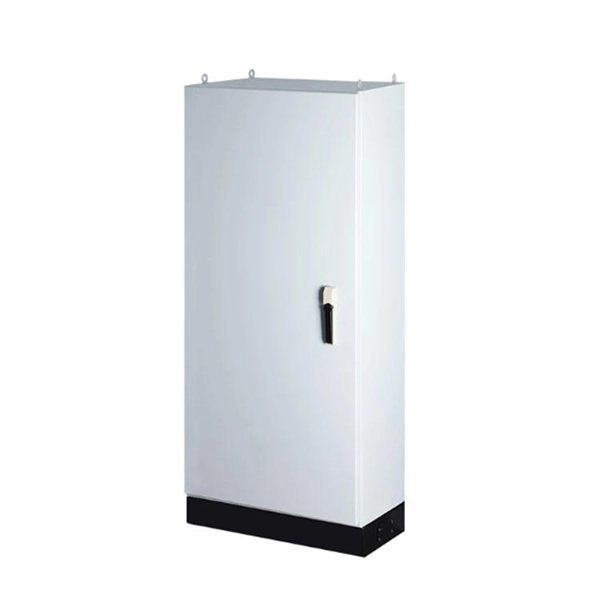
Intelligent power distribution cabinets are advanced electrical enclosures that combine power distribution, real-time monitoring, protection, and predictive management to optimize energy use and system reliability.Structure and Components
Intelligent power distribution cabinets are composed of several key elements: the cabinet shell, busbars, circuit breakers, switches, fuses, transformers, indicators, and monitoring instruments . The cabinet provides mechanical support and safety protection against dust, moisture, and electric shock. Busbars transmit and distribute electrical energy, designed to handle current capacity, short-circuit strength, and heat dissipation. Circuit breakers, switches, and fuses manage circuit control and protect against overloads or short circuits. Indicators and instruments allow operators to monitor voltage, current, power factor, and other parameters in real time.
Core Functions
- Power Distribution: Distributes electricity to various circuits or equipment efficiently, ensuring balanced allocation and minimizing energy losses .
- Circuit Control: Enables starting, stopping, and emergency shutdown of connected equipment through switches and breakers .
- Protection: Provides overload and short-circuit protection, automatically disconnecting faulty circuits to prevent damage or fire .
- Monitoring and Data Collection: Tracks electrical parameters, including voltage, current, load balance, harmonic distortion, and temperature, often with digital displays or touch-screen interfaces .
Intelligent Features
Modern intelligent cabinets integrate precision monitoring and predictive management . They can:
- Monitor each branch circuit at a granular level, providing rack-level intelligence for data centers.
- Measure dual-supply inputs for accurate power visibility.
- Generate predictive alerts to prevent faults before they occur, rather than relying solely on reactive protection.
- Track energy consumption trends and optimize load distribution to improve energy efficiency.
- Detect early signs of equipment aging, overheating, or unbalanced loads, reducing downtime and maintenance costs .
Applications
Intelligent power distribution cabinets are widely used in industrial plants, commercial buildings, public facilities, and data centers . In data centers, they enable real-time power quality analysis, zero ground voltage monitoring, and integration with DCIM systems, enhancing operational efficiency and reliability . In industrial settings, they support safety management, fault detection, and energy optimization, ensuring continuous and secure operation of critical equipment .
Benefits
- Enhanced Reliability: Continuous monitoring and predictive alerts reduce the risk of unexpected failures.
- Energy Efficiency: Optimized load distribution and consumption tracking lower energy costs.
- Operational Insight: Real-time data and trend analysis support informed decision-making.
- Safety: Automatic protection and early fault detection prevent accidents and equipment damage.
- Scalability: Intelligent cabinets can integrate with broader smart grid or building management systems for future-ready infrastructure . Intelligent power distribution cabinets transform traditional passive distribution systems into active, data-driven energy management platforms, providing both operational control and strategic insights for modern electrical networks.