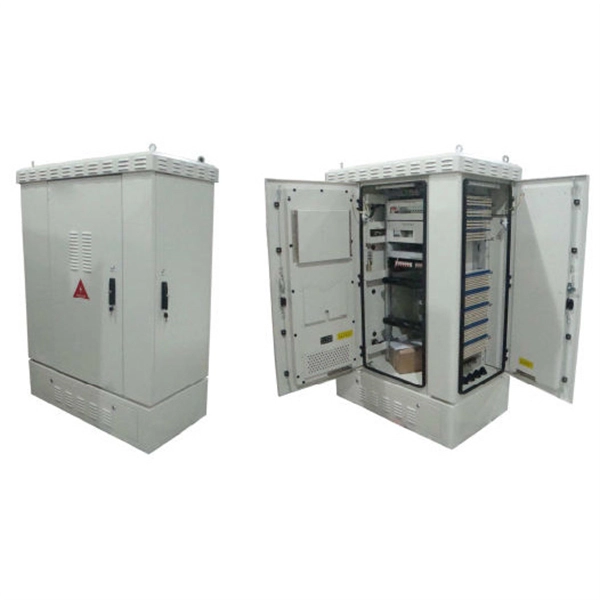
Yes, fiber optic cables are designed for indoor use, providing high-speed, reliable data transmission within buildings.Purpose and Design
Indoor fiber optic cables are specifically engineered for use inside buildings, such as homes, offices, and data centers . Unlike outdoor cables, they are flexible, lightweight, and easy to install in controlled environments. They are not built to withstand harsh weather, UV exposure, or moisture, which makes them unsuitable for outdoor conditions . Indoor cables are designed to meet fire safety standards, including plenum or riser ratings, ensuring safe operation in enclosed spaces .
Construction
An indoor fiber optic cable typically consists of:
- Core: The light-transmitting part of the fiber.
- Cladding: Surrounds the core and reflects light back into it.
- Coating: Protects the fiber from physical damage and moisture.
- Jacket: The outer layer, often flame-retardant for indoor safety . Indoor cables often use a tight-buffered design, where each fiber is coated in protective plastic buffers, surrounded by Kevlar or fiberglass for strength . This design allows for easier handling and installation in tight spaces, such as under floors or inside walls.
Applications
Indoor fiber optic cables are ideal for:
- Connecting devices within a single building or floor.
- High-speed internet, VoIP, and video streaming.
- Data centers and server rooms.
- Office networks and home entertainment systems .
Key Considerations
- Bend Radius: Indoor cables can bend more easily than outdoor cables, but excessive bending can damage them .
- Distance: Best suited for short-range connections within a facility.
- Compliance: Ensure the cable meets local fire codes and building regulations .
Summary
Indoor fiber optic cables are perfectly suited for indoor installations, offering superior bandwidth, low latency, and compliance with fire safety standards. They differ from outdoor cables in durability and environmental resistance, so using the correct type ensures network reliability and longevity .