ALFA PROCOMMUNICATION INFRASTRUCTURE Request a Quote

What materials are optical modules made of

Optical modules require a combination of semiconductor materials, high-performance PCB substrates, metals, ceramics, and plastics to ensure signal integrity, thermal management, and mechanical stability.Semiconductor Materials

The core functional chips in optical modules are made from a heterogeneous mix of semiconductors to perform different roles . Key materials include:

  • Silicon (Si): Used in DSPs, driver ICs, and CMOS-based circuits for digital signal processing and modulation.
  • Gallium Arsenide (GaAs): Common in photodetectors and high-speed analog circuits.
  • Indium Phosphide (InP): Used for laser sources such as DFB and EML lasers.
  • Germanium (Ge): Often integrated in photodetectors for infrared light detection.
  • Compound semiconductors: Employed in specialized optoelectronic devices.
  • Silicon Photonics (SiPh): Integrates optical and electronic functions on a single chip for high-speed data transmission.
PCB Materials

The printed circuit board (PCB) in optical modules is critical for signal transmission, thermal management, and mechanical support :

  • Low-loss substrates: Materials like Megtron or Rogers series minimize dielectric and conductor losses.
  • High-frequency materials: PTFE (polytetrafluoroethylene) and ceramic substrates provide low dielectric constants and low signal loss.
  • Copper foils: Very-low-profile (VLP) copper foils and thick copper layers enhance thermal conductivity.
  • Multilayer HDI PCBs: High-density interconnects with microvias and fine line spacing support high-speed data rates and precise signal routing.
Housing Materials

The housing protects internal components and manages heat :

  • Metal alloys: Aluminum alloys for lightweight thermal management; copper and tungsten-copper alloys for high thermal conductivity; zinc alloys for lower-power modules.
  • Ceramics: Provide thermal stability, electrical insulation, and wear resistance in high-reliability applications.
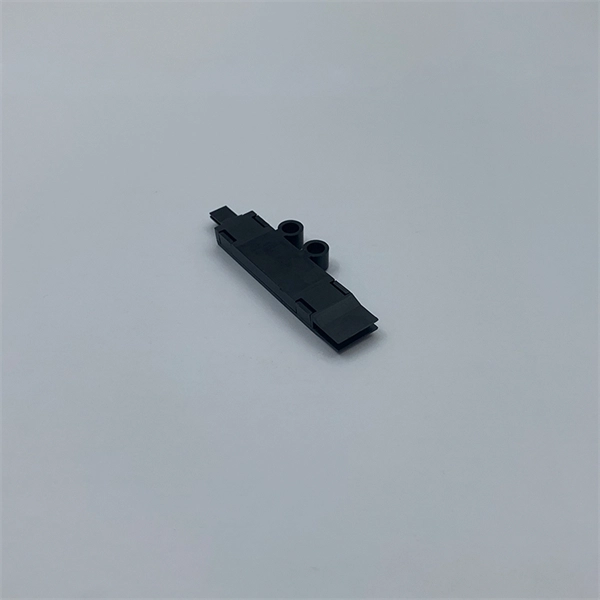
  • Plastics and composites: Used in cost-sensitive or lower-power modules where thermal dissipation is less critical.
Additional Components
  • Optical subassemblies (TOSA/ROSA): Include laser diodes or LEDs, photodiodes, and optical interfaces, often housed in metal or plastic shells.
  • Thermal management elements: Embedded copper planes, thermal vias, and heatsinks are integrated to dissipate heat from high-power components.
  • Connectors and interfaces: Fiber optic connectors and electrical interfaces are made from metals and high-performance plastics to ensure precise alignment and durability.
Summary

In essence, an optical module is a multi-material system combining semiconductors for optoelectronic functions, advanced PCB substrates for high-speed signal integrity, metals and ceramics for housing and thermal management, and plastics for structural support. Each material is selected to balance electrical performance, thermal dissipation, mechanical precision, and reliability in high-speed optical communication applications.

What materials are optical modules made of

Optical module

OverviewOptical modulation and multiplexing typesElectrical Interface TypesIn-module componentsElectrical cable equivalentFront panel optical module MSAsOn-Board Optical module MSAsUsers of Optical Modules

Many different forms of optical modulation and multiplexing have been employed in optical modules. The most common modulation technique historically has been on-off keying or NRZ. Pulse-amplitude modulation (PAM-4) has also been extensively used. In the 2010s, coherent optical modulation has been used. Techniques include Dual Polarization Quadrature Phase Shift Keying (DP-QPSK) and QAM-16.

Related Video Reference

This video was associated with the source search result. Verify technical details against current product documentation and project requirements.

Technical note

This reference is intended for preliminary fiber and communications infrastructure research. Optical interface, fiber type, port or core capacity, electrical input and output, enclosure protection, cooling, installation limits and applicable standards must be verified for the specific project.

Still Have a Technical Question?

Use the inquiry form to describe the product category, application, interfaces, capacity and installation environment.

Start a Project Inquiry