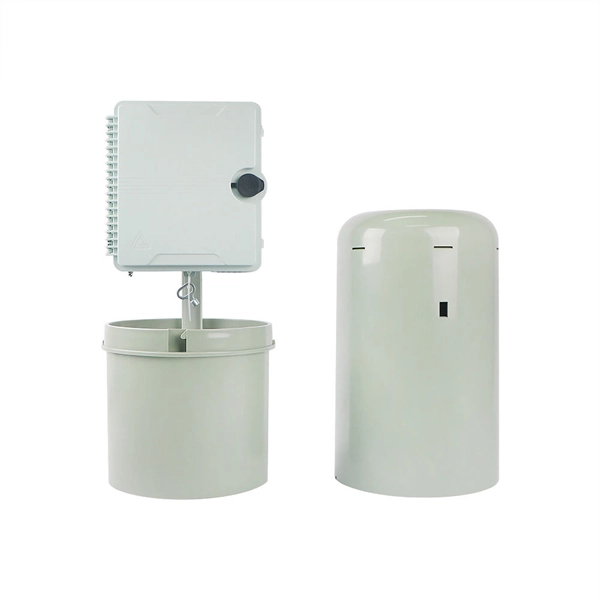
Placing a distribution box on the roof is generally not recommended due to safety, accessibility, and code compliance concerns.Safety and Accessibility Concerns
Electrical panels, including distribution boxes, must be easily accessible for maintenance, emergency shut-off, and inspection. The National Electrical Code (NEC) specifies that panels should have a minimum of 36 inches of clearance in front and be installed at a height where the highest breaker handle is no more than 6 feet 7 inches from the floor . Installing a panel on a roof makes access difficult, increases the risk of falls, and complicates emergency response .
Environmental Protection
Distribution boxes are designed to protect internal components from water, dust, and physical damage. While outdoor-rated enclosures with high IP or NEMA ratings can withstand weather, a roof location exposes the panel to extreme heat, rain, snow, and UV radiation, which can degrade materials and compromise safety over time . Proper ventilation and protection from direct sunlight are critical if outdoor installation is unavoidable.
Code Compliance
Electrical codes generally require panels to be installed in dry, accessible areas such as basements, garages, or utility rooms . Roof placement may violate local building codes and NEC requirements, potentially leading to inspection failures or insurance issues. Panels must also be grounded properly, and roof installations complicate grounding and bonding connections .
Practical Considerations
- Maintenance: Routine inspections, breaker resets, and repairs are more difficult on a roof.
- Load Distribution: Distribution boxes are typically installed near the point of entry of power to minimize voltage drop and simplify wiring .
- Safety Devices: Breakers, fuses, and surge protectors must remain accessible for quick operation .
Recommendations
- Install the distribution box in a ground-level, dry, and accessible location such as a garage, basement, or utility room.
- If outdoor installation is necessary, use a weatherproof enclosure with proper IP/NEMA rating and ensure safe access via a ladder or platform.
- Always follow NEC, IEC, or local electrical codes and consult a licensed electrician for roof installations . In summary, while technically possible with a weatherproof enclosure, placing a distribution box on the roof is unsafe, inconvenient, and likely non-compliant with electrical codes. Ground-level or indoor locations are strongly preferred for safety, accessibility, and long-term reliability.