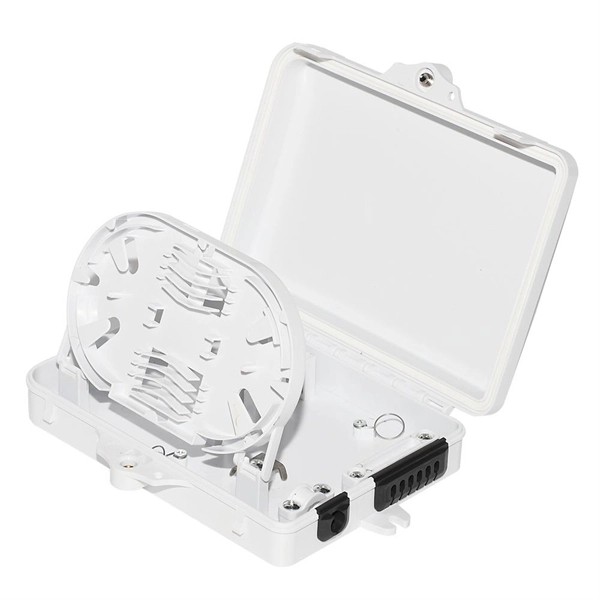
High and low voltage complete electrical equipment is built with modular, metal-enclosed frames that integrate compartments for breakers, busbars, and auxiliary devices, ensuring safety, reliability, and efficient operation.Overview of Complete Electrical Equipment
Complete sets of electrical equipment systematically integrate multiple independent components—such as switches, contactors, circuit breakers, and transformers—into a fully functional system based on technical specifications and process standards . Typical applications include switchgear assemblies, box-type substations, and distribution cabinets, which provide both operational support and protection against environmental factors .
Frame and Compartment Structure
Material and Enclosure: The frame or shell is generally made of metal, providing mechanical strength, protection from dust, moisture, and small animals, and ensuring electrical safety . The fully enclosed design enhances operational reliability and reduces maintenance risks. Compartmentalization:
- Cable Compartment: Houses incoming and outgoing cables, often separated from breaker compartments to prevent accidental contact .
- Breaker Compartment: Contains one or more power circuit breakers, each individually compartmentalized to isolate faults and facilitate maintenance .
- Busbar Compartment: Positioned behind breaker compartments, busbars are separated by solid barriers to prevent short circuits and allow safe current distribution .
- Auxiliary Compartments: May include control devices, metering, and protection relays, often modular for easy installation and replacement . Modular Design: Frames are modular, allowing multiple sections to be connected in a line-up. For n modular doors, n–1 limit plates are used to maintain structural integrity and proper separation between compartments . This modularity supports scalability and simplifies assembly and maintenance.
Standards and Safety Considerations
- Low Voltage Equipment: Designed for voltages up to 1,000 V and currents up to 6,000 A, following IEC 61439 standards for assembly, temperature rise, and short-circuit withstand .
- High Voltage Equipment: Typically rated above 35 kV, with testing requirements defined by IEC 60060 to ensure phase-to-phase withstand voltage and operational safety .
- Testing and Verification: Equipment must comply with international standards for short-circuit strength, insulation, and operational reliability, ensuring safe integration into power distribution systems .
Advantages of the Frame Structure
- Optimized Layout: Neat arrangement of components reduces clutter and improves accessibility .
- Fault Isolation: Segregated compartments allow quick identification and handling of faults, enhancing maintenance efficiency .
- Environmental Protection: Sealed metal enclosures prevent dust, moisture, and animal intrusion, improving operational safety .
- Economic Efficiency: Standardized modular design reduces construction costs and simplifies installation .
Future Trends
High and low voltage complete equipment is evolving toward intelligent, cost-efficient, and highly reliable designs, with optimized structural layouts and enhanced integration of monitoring and control technologies . Manufacturers are focusing on modularity, automation, and improved thermal management to meet modern power system demands . In summary, the frame structure of complete electrical equipment combines metal-enclosed modular compartments for breakers, busbars, cables, and auxiliary devices, adhering to international standards to ensure safety, reliability, and operational efficiency in both high and low voltage applications .