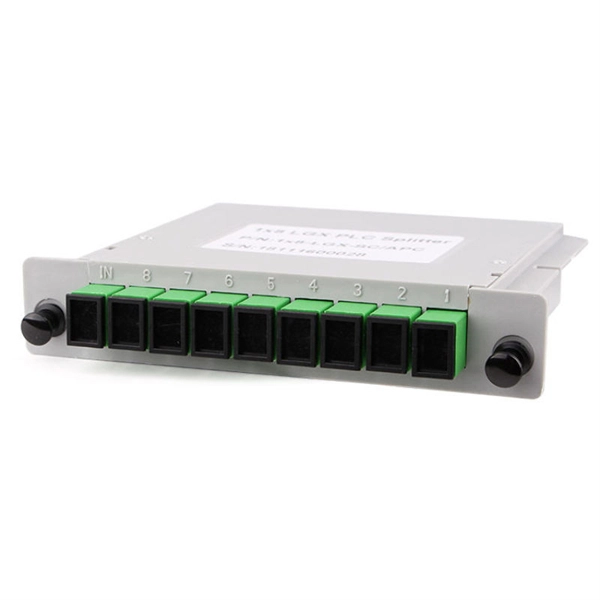
Fiber optic sensors are highly effective and versatile, offering exceptional sensitivity and reliability, but they come with higher costs and complex installation requirements.Advantages of Fiber Optic Sensors
Fiber optic sensors provide several significant benefits that make them superior to many traditional sensors. They are immune to electromagnetic interference (EMI) and radio frequency interference (RFI), which ensures accurate measurements even in electrically noisy environments . They can operate in harsh, high-temperature, or corrosive environments, making them suitable for industrial, aerospace, and infrastructure monitoring applications . These sensors are highly sensitive, capable of detecting very small changes in temperature, pressure, strain, vibration, or chemical composition . Additionally, they are lightweight, compact, and capable of multiplexing, allowing multiple sensors to be connected along a single fiber for remote or distributed sensing . Fiber optic sensors also enable real-time monitoring and can transmit signals over long distances without significant loss .
Limitations and Challenges
Despite their advantages, fiber optic sensors have some drawbacks. They are expensive compared to conventional electrical sensors, which can limit widespread adoption . The detection systems can be complex, requiring specialized equipment and precise installation procedures . Users often need training to operate and interpret the sensors correctly, and developing a fully functional measurement system can be technically challenging . These factors make fiber optic sensors more suitable for critical applications where their unique benefits outweigh the costs and complexity.
Applications
Fiber optic sensors are widely used in structural health monitoring, such as bridges and buildings, industrial process control, oil and gas monitoring, and biomedical sensing . Technologies like fiber Bragg grating (FBG) sensors and Fabry–Perot interferometers allow precise measurement of strain, temperature, and pressure, while distributed sensing can monitor large structures over kilometers . Their ability to function in extreme conditions and provide accurate, real-time data makes them invaluable in safety-critical and high-precision environments.
Conclusion
Overall, fiber optic sensors are highly effective and reliable, particularly in environments where traditional sensors may fail due to interference, extreme conditions, or the need for remote monitoring. However, their high cost, complexity, and installation requirements mean they are best suited for specialized or critical applications rather than general-purpose use . When applied appropriately, their benefits far outweigh the limitations, making them a strong choice for advanced sensing needs.