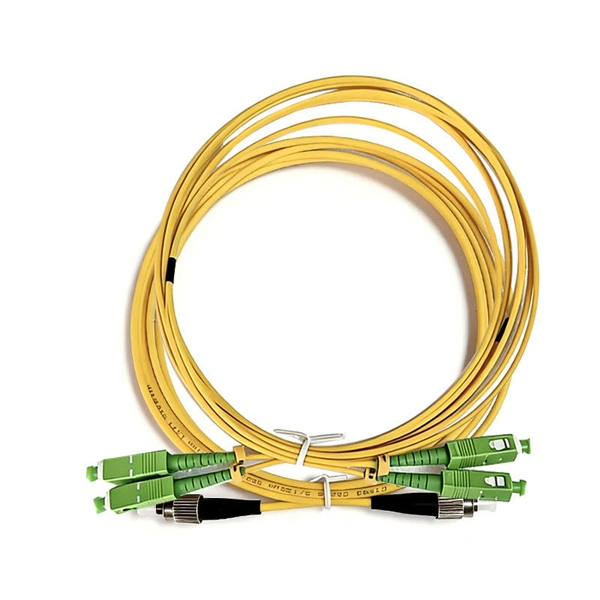
FTTH networks are highly energy-efficient, and even large-scale deployments rarely require 100 kW per network segment due to optimized optical and network equipment.Energy Efficiency of FTTH
FTTH (Fiber-to-the-Home) networks are significantly more energy-efficient than legacy broadband technologies such as DSL, VDSL, or Hybrid Fiber Coaxial (HFC). Studies show that FTTH can reduce energy consumption per household by up to 70% compared to HFC networks, with typical ONUs consuming as little as 2.3 watts per household, compared to 4–6.4 watts for DSL or cable networks . This efficiency is achieved through the use of passive optical networks (PONs), which minimize the need for powered street cabinets and signal boosters .
Power Requirements and 100 kW Context
A 100 kW energy allocation for FTTH would be extremely high for a standard deployment. Typical FTTH networks rely on low-power ONUs and optical line terminals (OLTs), with most energy consumed at the customer premises equipment (CPE) and central office facilities . Even in dense urban deployments serving thousands of homes, total network power rarely approaches 100 kW for a single access segment. Energy consumption can be further optimized using AI-based traffic management, simplified all-optical architectures, and energy-efficient site facilities .
Optimization Strategies
- Power Management Algorithms: Dynamic adjustment of ONU power based on traffic load can reduce energy use without affecting performance .
- Simplified Network Architecture: Fewer redundant nodes and all-optical paths reduce energy losses and equipment overhead .
- Energy-Efficient Facilities: Optimizing cooling, power supply, and site infrastructure can significantly lower operational energy consumption .
- Sustainable Equipment: Using future-proof, low-power ONUs and routers ensures minimal energy per unit of data transmitted .
Environmental and Economic Benefits
FTTH networks not only reduce energy consumption but also lower CO₂ emissions and operational costs. Faster, more reliable connections mean shorter download times, which further reduces energy per unit of data . Large-scale FTTH deployments contribute to sustainability goals and can qualify for green financing initiatives, supporting both environmental and economic objectives .
Conclusion
Allocating 100 kW for FTTH is generally unnecessary due to the inherent energy efficiency of fiber networks. Optimized FTTH deployments, even at high capacity, consume far less power while providing superior performance and sustainability benefits. Energy management strategies, efficient equipment, and simplified network design ensure that FTTH remains a lean, green solution for broadband connectivity.